

Behind every diagnosis is a family doing everything they can to keep going.
Read their stories below and see the difference your support makes.
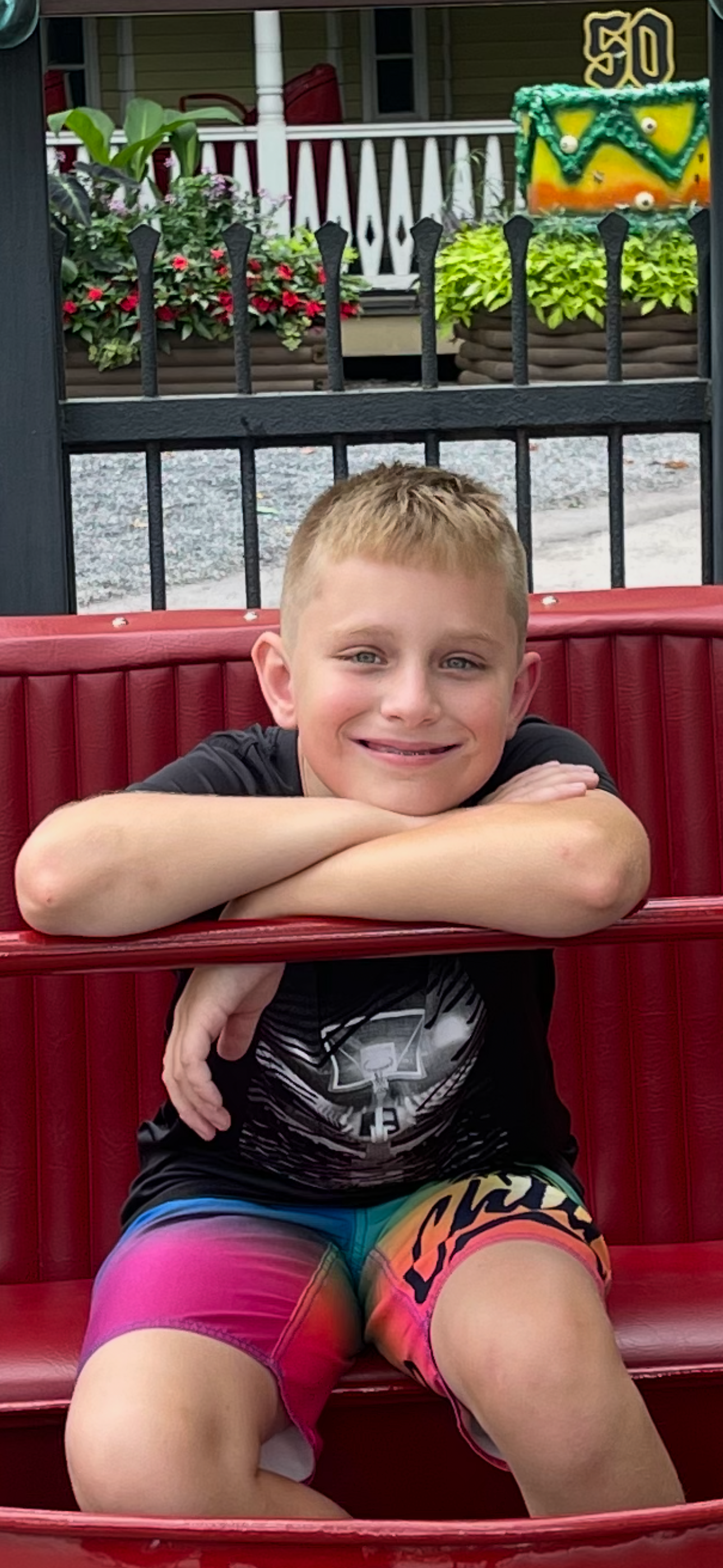
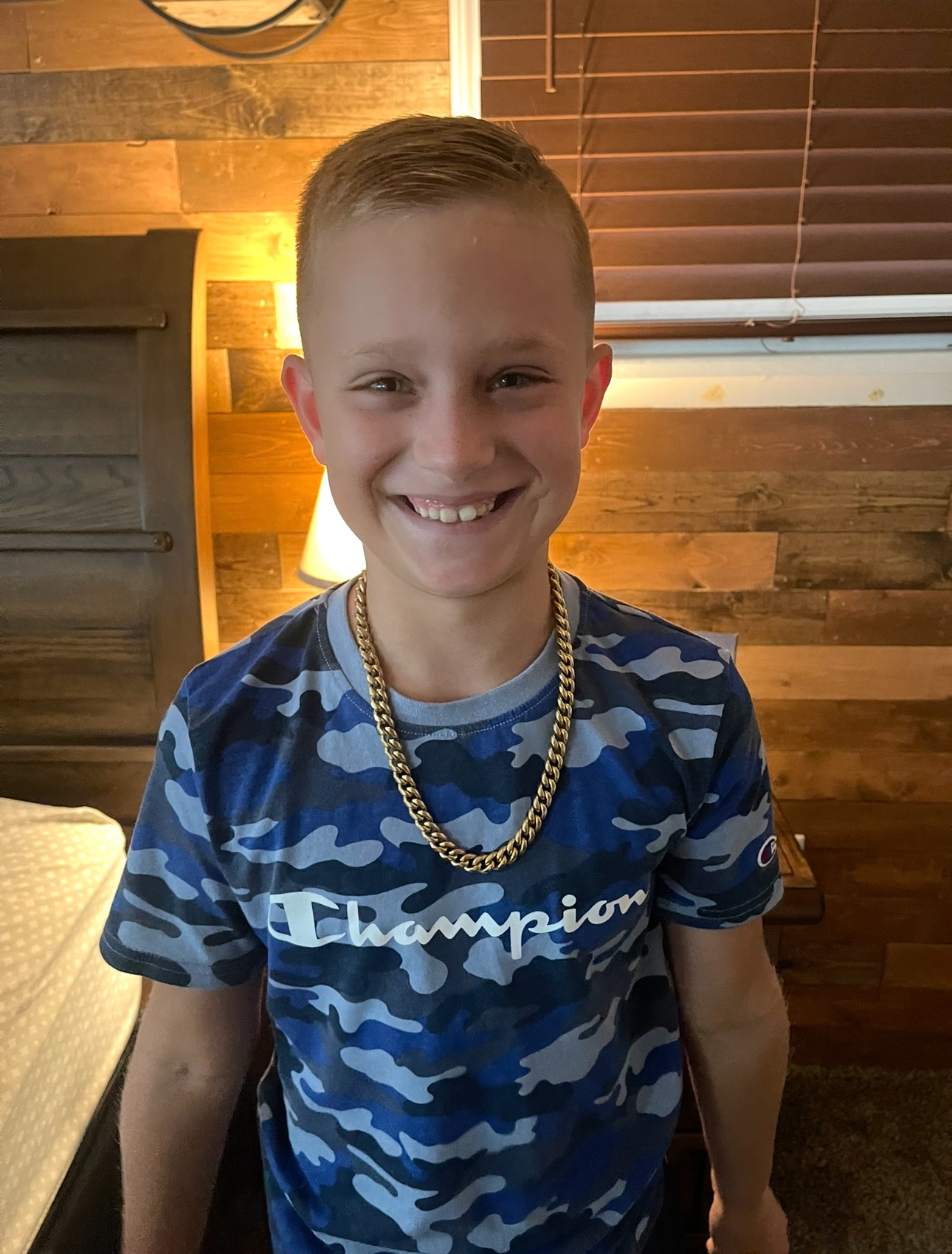
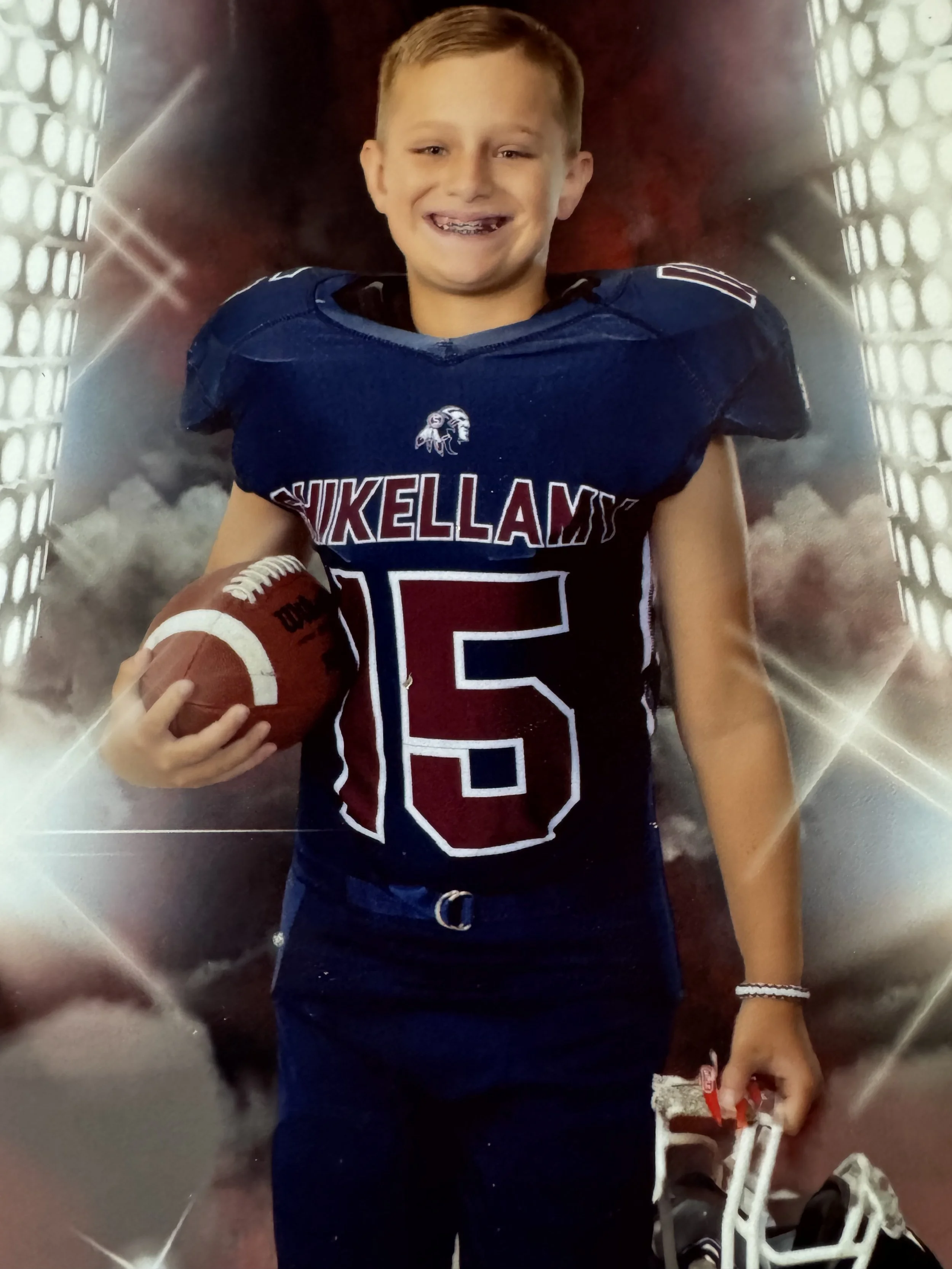
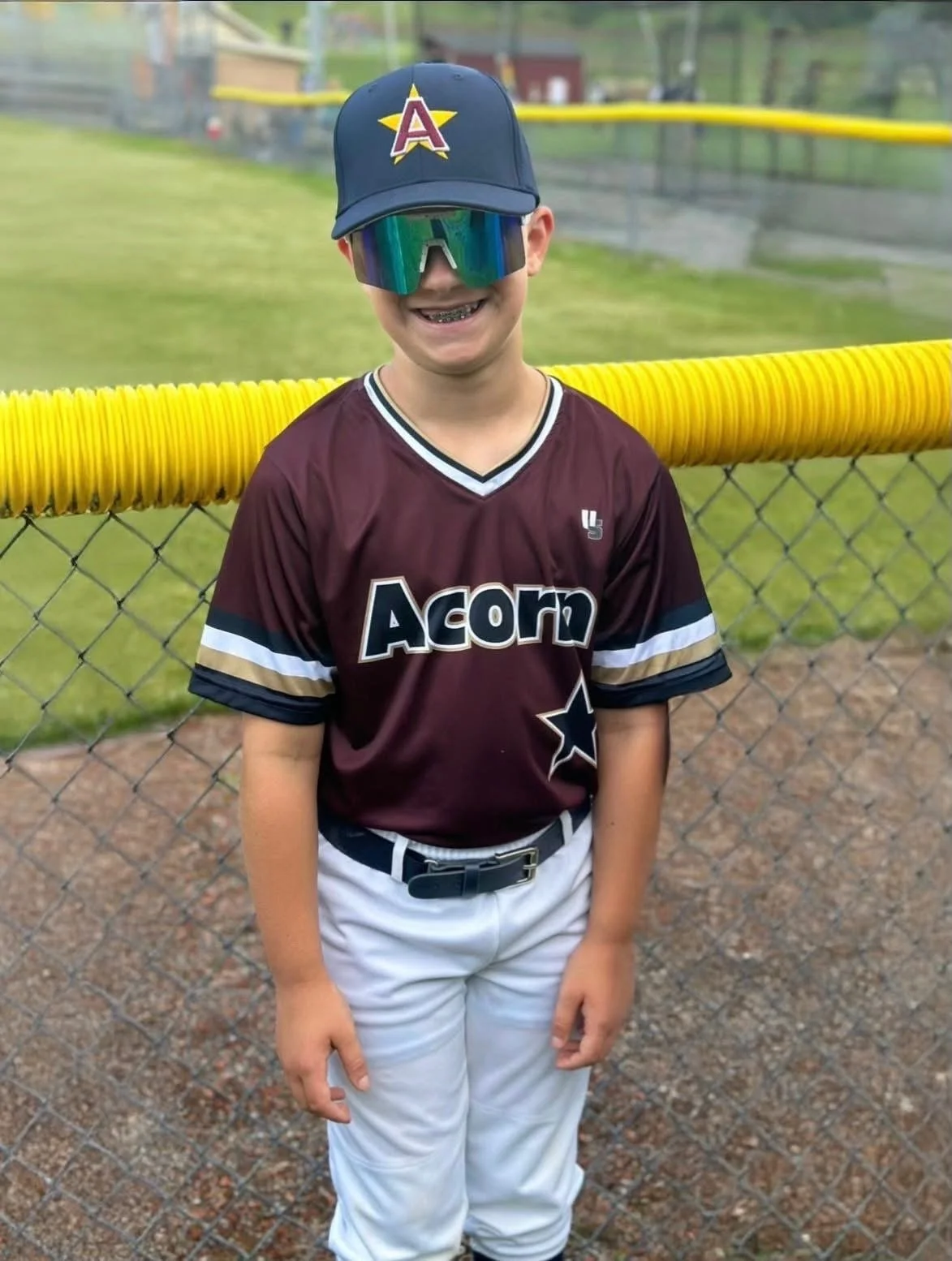
Alec’s Story
Alec was the kind of kid who packed his own lunch for school and sometimes bought a second one once he got there. At ten years old, he was active, athletic, and rarely sat still. Sports were a big part of his life, and football was where things first started to feel off.
During a game that fall, Alec got stepped on and started having pain in his pelvic area. What looked like a sports injury did not heal the way anyone expected. For more than a month, his parents moved between doctors and physical therapy appointments, watching their son lose twenty pounds and stop wanting to get out of bed. He was in pain, especially at night. Something else was going on, and they kept saying so.
Answers were slow to come. An MRI was not possible at first because of his braces, and the scans they could do showed nothing. It was not until his braces came off and a follow-up MRI was finally done that the tumor appeared.
Alec had Ewing sarcoma, a rare and aggressive cancer that is often missed in young athletes because the early signs look so much like a sports injury.
Once they had the diagnosis, things moved quickly. Alec had a port placed at their local hospital, and within a couple of weeks the family had made the decision to travel to the Children's Hospital of Philadelphia for treatment. CHOP had sarcoma specialists who were among the best in the country. Alec later told his child life specialist that if his parents had not made that choice, he would not have had the time he did.
For a year, Philadelphia became their second home. Six weeks of daily radiation. Cycles of chemotherapy that meant full weeks at the hospital followed by short breaks, then back again. They stayed at the Ronald McDonald House when there was room, and in hotels when there was not. Some weeks they would go to check out and the front desk would tell them their stay had already been covered by a foundation they had never heard of. Once it was a set of Legos with a sticker on the box from another family's foundation.
Alec started asking questions. What is a foundation? Why are people who do not know us doing this for us? Those small acts of kindness stayed with him, and somewhere in the middle of treatment he told his parents he wanted to start a foundation of his own one day. Something to help other kids and their families with the practical pieces. Travel. Hotels. Meals. He also wanted to give children stuffed animals to use as worry pets, something to hold onto when scans were coming up or hard news was on its way.
Through all of it, Alec did remarkably well. His doctors were happier than they expected to be. Spots on his lungs and liver shrank. His tumor responded. By his second round of scans, some of what had been there was no longer showing up. He finished treatment in May of 2024, and for about a month and a half, life looked like life again. His hair grew back. He gained weight. He laughed with his friends and started getting ready for fall baseball.
In July of 2024, only a couple of months after treatment ended, the cancer came back. The second round of treatment lasted about three months. He passed away in November of 2024, just months after treatment had first ended.
Janelle & Brent
When Janelle and Brent look back on what carried them through, they do not start with the medical part. They start with the people.
Let people help. Even when you think you are doing okay. Even when you are not sure how to ask. A diagnosis like this affects more than just finances, and the people who show up with meals or a phone call or a quiet check-in are part of how a family keeps going.
Be honest about what this does to a marriage. Six weeks in a hotel room together during radiation, with no real space to retreat to, wears on people in ways that have nothing to do with how much they love each other. Frustration finds the closest target, and the closest target is usually the person sitting next to you. It is not really about them. It is about being angry at life because of what your kid is going through. Naming that out loud, instead of pretending otherwise, was part of what helped them come back to each other.
Find your people. Not the friends who show up only at the start, but the ones who keep showing up a year later. The ones who want to talk about your child by name. A therapist once told them that hard times reveal who your real friends are, because those friends do not stop reaching out. That has held true.
Trust your gut. There were weeks before the diagnosis when something felt wrong and the answers kept not coming. What they would tell another parent in the same place is to keep asking. You know your child better than anyone in the room.
Someone Who Stays in the Story
Their connection with InVINCEable came through a close friend back home, whose own connection to the foundation led to an introduction. Soon after, Scott reached out directly, and what started as a phone call turned into something steady. He kept calling. He asked about Alec. He remembered the details. It did not feel like the kind of help that arrives once and disappears. It felt like someone who was actually there.
That presence is what we hope every family feels. Not a transaction. Not paperwork. Just someone who picks up the phone, asks what is needed, and stays in the story.
Today, Janelle and Brent are carrying Alec's idea forward through Alec's Angels, the foundation they started two months after he passed because it was something he had always wanted to do. We are honored to walk beside them, and we are grateful that Alec's vision is finding its way to other families who need it.
Alec was a son, a friend, a teammate, and a kid with a heart big enough to think about other people in the middle of his own hardest year. His story is still doing good in the world, and it always will. To us, and to everyone who knew him, Alec is truly InVINCEable.
Ezekiel’s Story
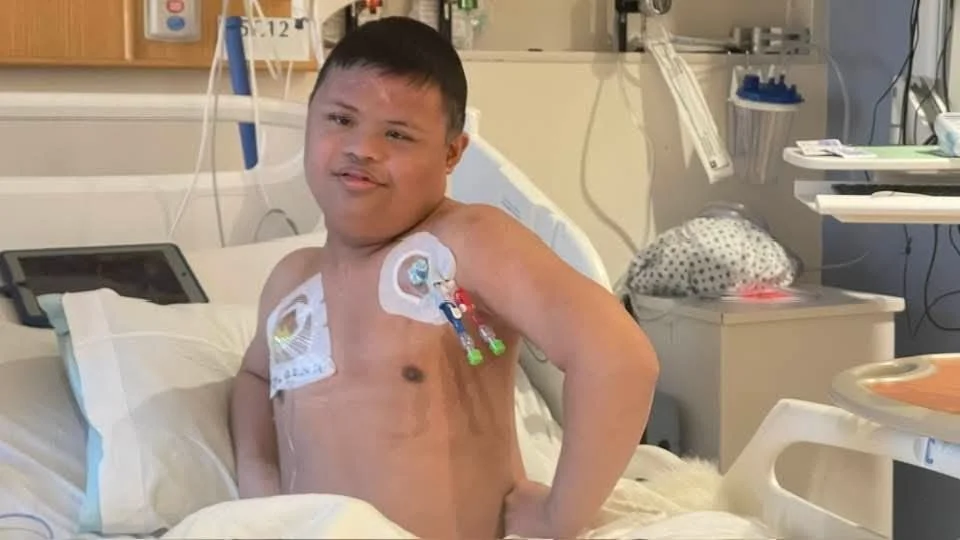
More than a decade before cancer entered their lives, Ezekiel’s family made a decision that reshaped their future. In 2012, they left the United States and moved to the Philippines with their six children, following a calling that had grown quietly but steadily over time.
Ezekiel’s father, Anthony had been born there, and the country already held deep meaning for their family. While living in the U.S., they had adopted four sons from the Philippines, and each visit back strengthened their connection to the community and the needs they were seeing.
While volunteering at local orphanages, they began noticing something that stayed with them. At busy intersections, young boys would approach their car asking for food or offering to wash windshields for spare change. Many of them were teenagers who had slipped through every safety net available to them. They had few opportunities ahead and very little support.
Instead of driving past, the family started stopping to talk with them. They brought food, listened to their stories, and asked about their hopes for the future. Those conversations eventually led them to open their home.
In 2013, they founded Mercy House, a home for boys who had been living on the streets. More than ten years later, the orphanage continues to provide safety, stability, and opportunity for young men who might otherwise be left to navigate life alone.
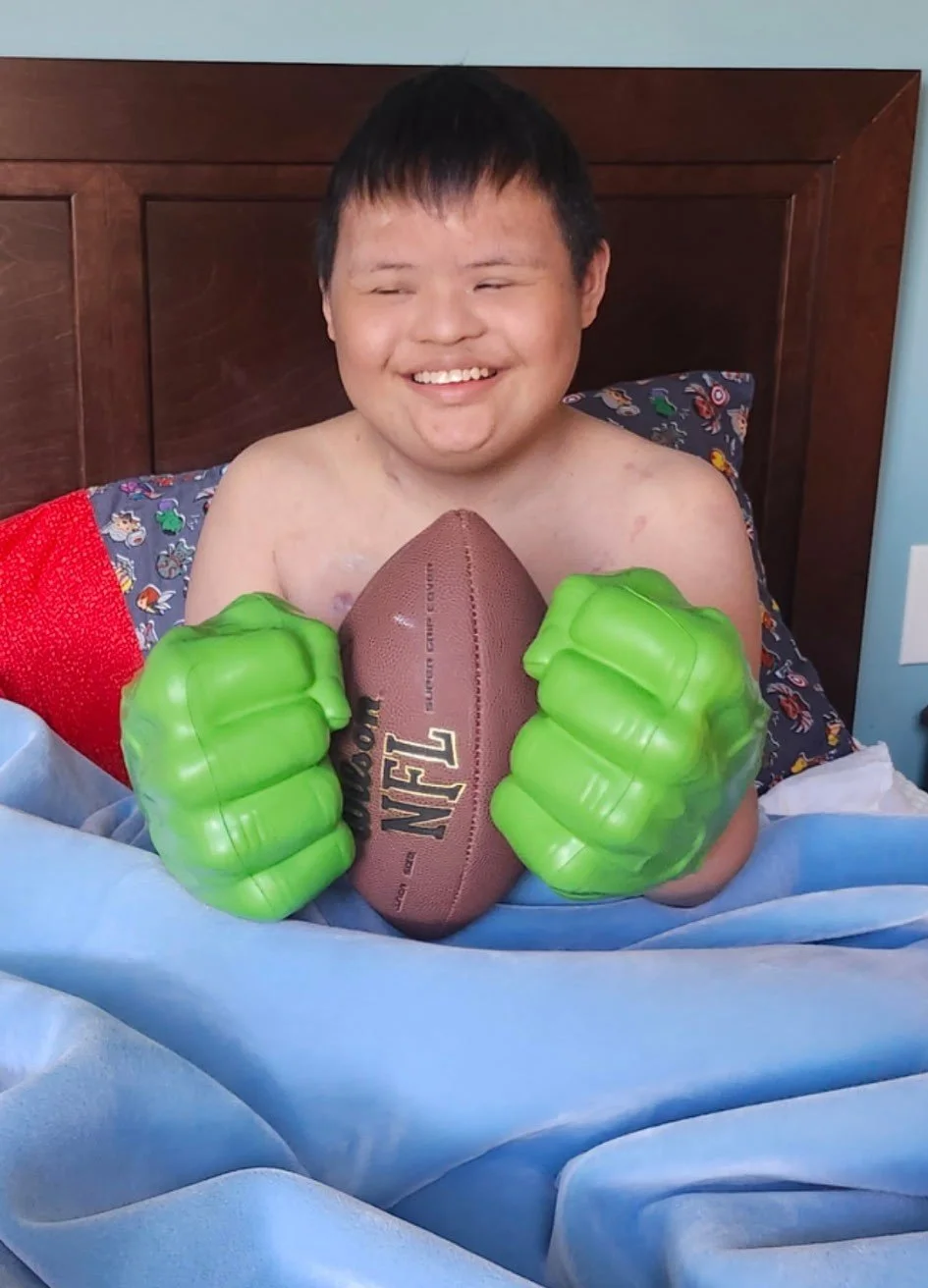
Ezekiel grew up in the middle of that work. Adopted as a toddler and living with Down syndrome, he became part of the big, busy household that formed around the orphanage. Life was full, purposeful, and rooted in caring for others.
Ezekiel’s Diagnosis
In late May of 2024, Ezekiel’s mother, Nikki began noticing small changes that didn’t feel quite right. He was unusually tired and sleeping far more than usual. Soon after, small red spots began appearing on his skin.
At first she suspected anemia and tried supplements and other simple changes, hoping his energy would return. But when he didn’t improve, she contacted a pediatric hematologist in a nearby town.
On July 2, 2024, their lives changed in an instant.
Ezekiel had leukemia.
His white blood cell count was dangerously high, and doctors warned that the first few days would be critical. He was admitted immediately and began treatment right away. Those early hours were a blur of fear, questions, and decisions that had to be made quickly.
Chemotherapy helped stabilize him, but the road ahead was not straightforward. After several months of treatment, tests showed that leukemia was still present in his blood. While many children respond well in the early phases of therapy, Ezekiel’s leukemia was not clearing the way doctors had hoped.
His parents made the difficult decision to leave the Philippines and travel to the United States so he could receive treatment options that were not available overseas.
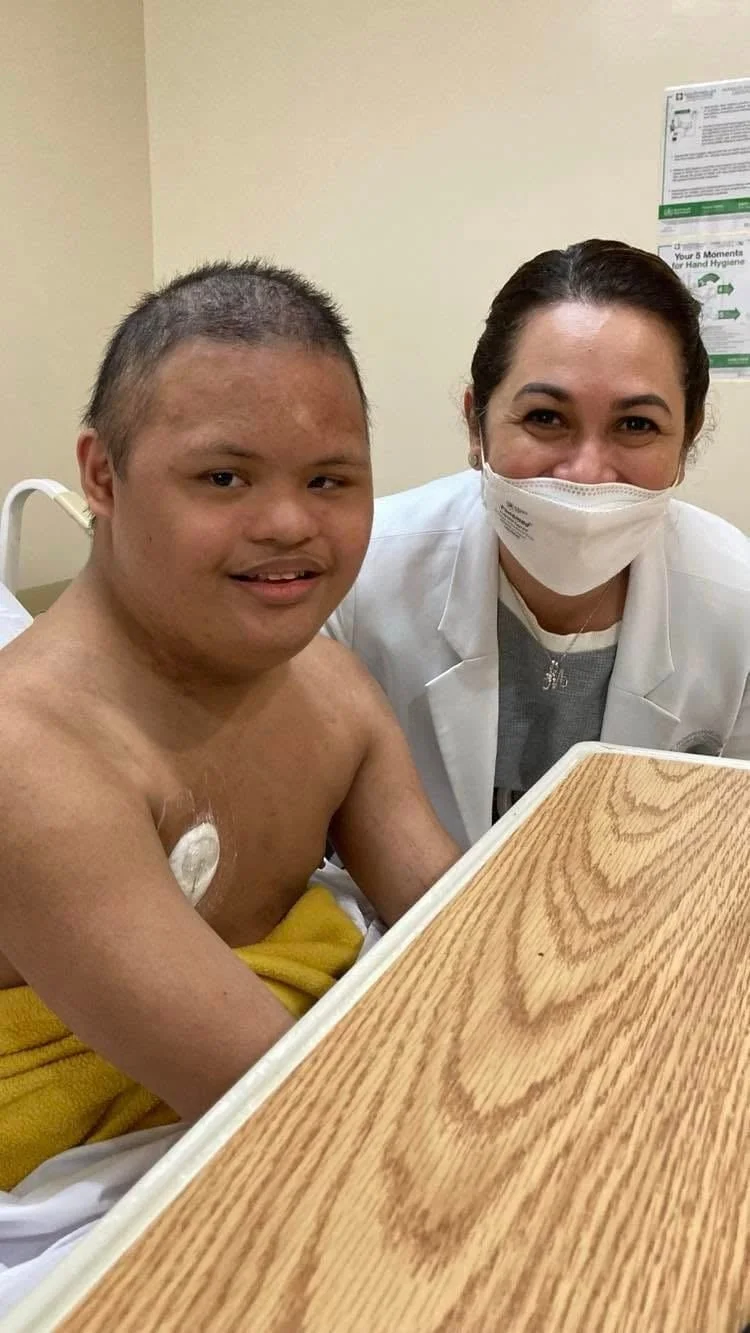
Within days of arriving, Ezekiel was admitted to UNC in Chapel Hill. Immunotherapy there succeeded where chemotherapy had struggled. Within about thirty days, he entered remission, and in January of 2025 he received CAR-T cell therapy. Today, more than a year later, he remains in deep remission.
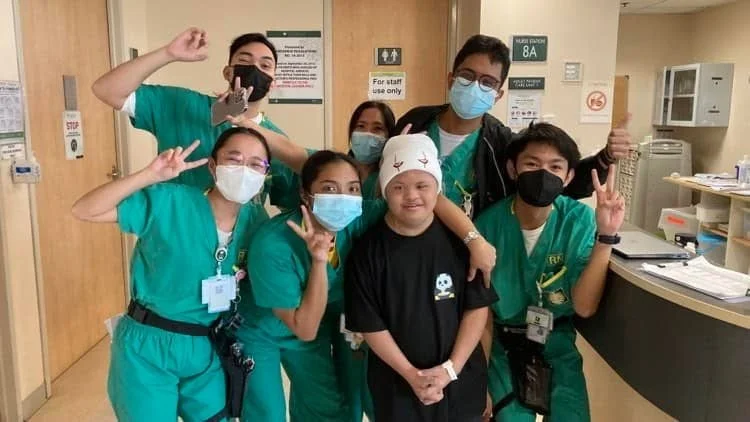
Ezekiel approaches the hospital in his own way. For him, clinic days often mean cartoons, snacks, therapy dogs, and a stop at Bojangles afterward. Those small routines have helped make something difficult feel manageable.
Nikki & Anthony
For Ezekiel’s parents, the diagnosis brought an emotional shift they had never expected. For years they had lived in the role of helping others, creating stability for children who had none. Suddenly they were the ones facing uncertainty and needing help.
In the first days after diagnosis, Nikki remembers feeling overwhelmed and disoriented, as though everything familiar had suddenly disappeared. She described it as feeling like she was floating in the middle of the ocean without anything to grab onto.
In the weeks that followed, she began reading medical research late into the night, trying to understand treatments and options that had once felt completely outside her world. She learned quickly that when one therapy doesn’t work, it doesn’t mean hope is gone. Medicine is constantly evolving, and sometimes the next treatment is the one that changes everything.
There were moments when that hope felt fragile. One early immunotherapy caused such a severe reaction that Ezekiel had to be moved to intensive care, leaving his parents terrified they were running out of options. When another treatment finally succeeded and brought him into remission, the relief was immense.
Throughout it all, they tried to carry the emotional weight themselves while keeping the experience as light as possible for Ezekiel. Because of his developmental differences, he doesn’t fully grasp the seriousness of the illness. That has meant much of the fear and decision-making has fallen to his parents to carry quietly while allowing him to experience the hospital as simply another place where people care for him.
Finding Unexpected Support
Returning to the United States for treatment created another set of challenges. Ezekiel’s parents had spent more than a decade living at the orphanage without drawing salaries. Their life in the Philippines was sustainable within the structure of the ministry, but a sudden medical relocation to the U.S. was never part of the plan. They were able to stay with family, but many practical needs quickly surfaced, including reliable transportation for regular trips between Charlotte and Chapel Hill for treatment.
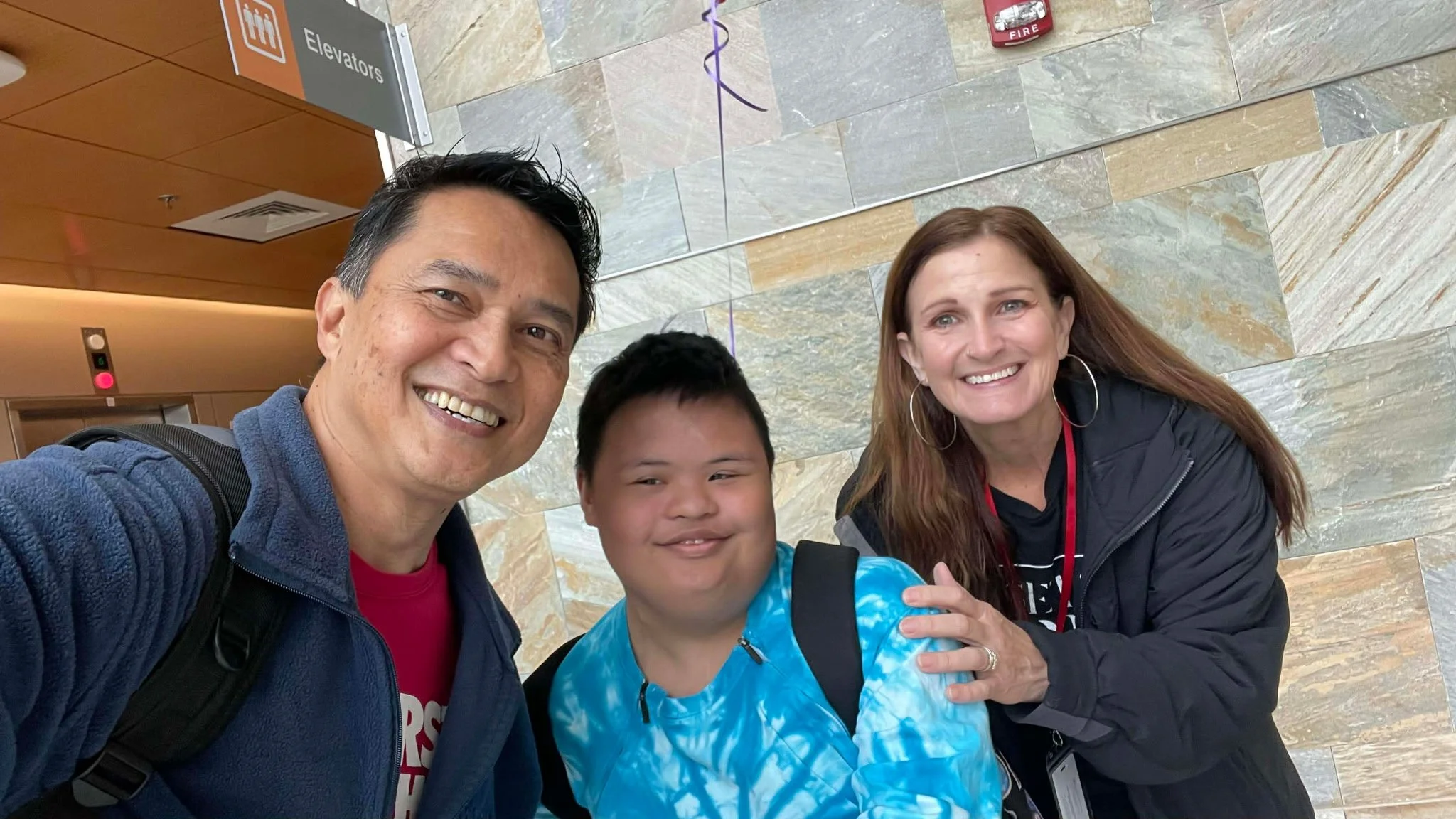
It was during one of those clinic visits that Nikki met Scott with the InVINCEable Foundation. Scott, who was in clinic with his son Vince, started sharing about the foundation and the work they were doing to support families in the middle of treatment. What stood out immediately to her was how personal the approach felt. Instead of directing families to a website or an application portal, he simply introduced himself and asked what their family needed. For Ezekiel’s family, that question came at exactly the right time.
The foundation helped cover major car repairs so they could continue traveling safely to appointments and assisted with travel costs so that Anthony could return to the Philippines to check on the orphanage and their children who remained there.
She mentioned what meant the most was the way the support was offered. Instead of limiting help to one type of expense, the foundation focused on what the family truly needed in that moment.
For a family who had spent years caring for others, accepting help was not easy at first. But over time, it became a reminder that even families who are used to being the helpers sometimes need someone to step in and stand beside them.
Today, Ezekiel continues regular follow-up care while the family moves forward one step at a time. His remission remains strong, and like many families who have walked this road, they carry both gratitude and cautious hope for the future.
For them, the support they received along the way became bright lights during an uncertain season and a reminder of how powerful it can be when someone simply asks, What do you need right now?

Reid’s Story
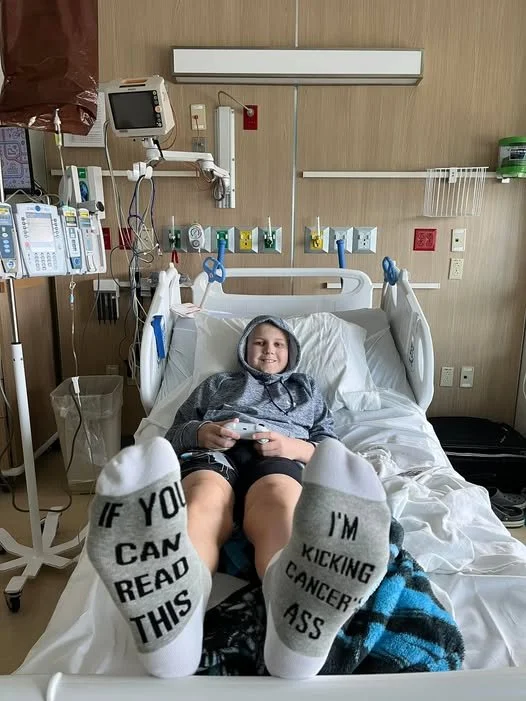
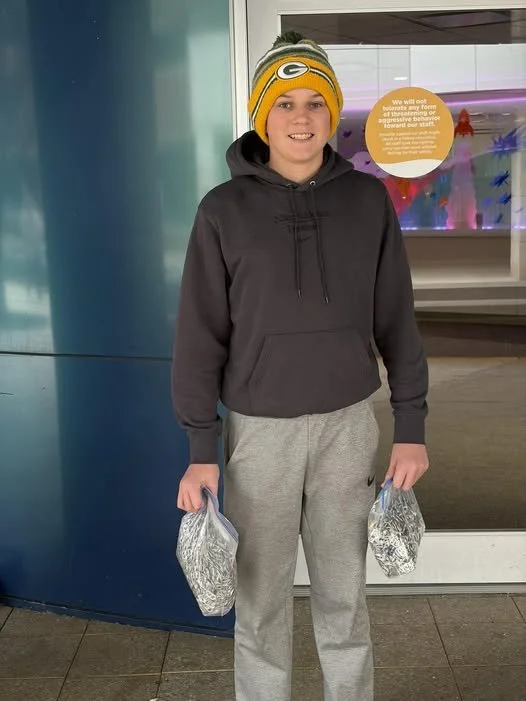
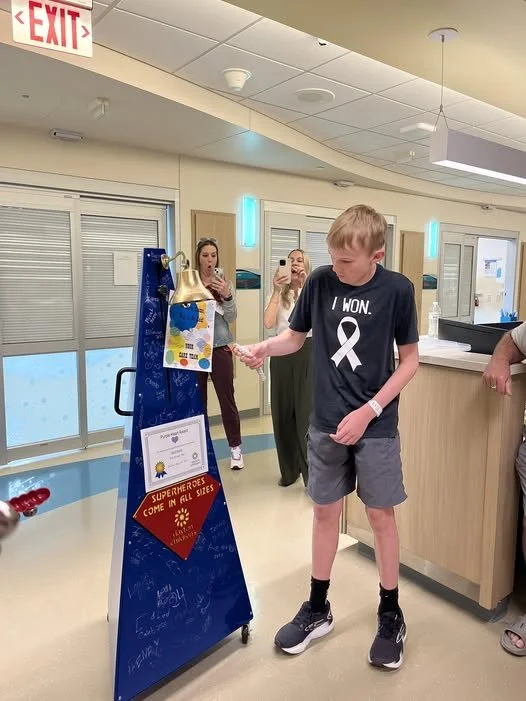
Reid was eleven years old when he was diagnosed with acute lymphoblastic leukemia (ALL). The youngest of four kids, his days at that age revolved around school, friends, and staying active. When leukemia was first suspected, the shift into medical life happened quickly. Hospital visits, blood work, and a short stretch of waiting before they had clarity on what they were facing.
Once the diagnosis was confirmed and a treatment plan was in place, the unknown narrowed. ALL is highly treatable, and Reid’s care team was clear about what treatment would involve. That clarity did not make things easy, but it gave the family something steady to hold onto. They were not guessing. They knew what came next.
Treatment stretched over more than two years and became part of everyday life. Reid missed some activities, but he stayed connected in ways that made sense for his age. Friends visited when they could. Online gaming helped him stay in touch when being together in person was not possible. School adapted so he could remain involved, even pairing him with classmates when he attended remotely. These details mattered. They helped Reid remain a kid while treatment unfolded around him.
Today, Reid is fourteen and one year out of treatment in April 2026. He is back to sports, friends, and the familiar rhythms of teenage life. Cancer is part of his history, but it does not define how he moves forward.
Jesse & Sandy
With four children and treatment taking place about an hour from home, Reid’s parents learned quickly how to adjust. Their experience was shaped by their circumstances, and they are mindful that not every family’s path looks the same. Life became a series of practical decisions. Schedules shifted daily. One parent at the hospital, one at home. Back and forth, for as long as it took.
One thing was constant. If Reid was in the hospital, one of them was there.
Spending so much time in the hospital also changed how they saw the families around them. They noticed children who were alone for long stretches, not because their parents did not care, but because presence is shaped by circumstance. Jobs, distance, other children, and limited support all play a role. Seeing that stayed with them and gave them perspective.
Reid was old enough to ask hard questions about what was happening, including whether he was going to die. His parents answered honestly, sharing what they knew and keeping the focus on the treatment plan ahead. That approach shaped how they handled everything, focusing on what was known and what came next.
Over time, this way of living settled in. Hospital visits, treatments, and care routines became part of daily life. It was not easy, but it was sustainable.
Looking back, they often reflect on how important it was to let people help. Not because they were falling apart, but because long stretches like this create quiet gaps. Meals, gift cards, and simple check-ins helped carry the weight of everyday life.
Becoming InVINCEable
It was during the early stages of treatment that Reid’s family connected with the InVINCEable Foundation. What stood out immediately was how personal the support felt, without pressure to explain or justify their situation. Someone reached out simply to check in and stayed connected over time.
That consistency mattered. Support did not show up once and disappear. It showed up through ongoing check-ins and a relationship that felt steady rather than transactional. For Reid’s parents, that presence fit naturally into the way they were already moving through treatment.
They also valued transparency. Seeing how support was used and knowing it was reaching real families mattered. Stories mattered. Continuity mattered.
Today, as Reid continues forward beyond treatment, the foundation remains part of the story. Not as the focus, but as a steady presence during a chapter when steadiness mattered.
Reid’s journey does not offer a template or a tidy conclusion, but something quieter that reflects how families find their way through this in different ways and how support can make a long road feel a little less heavy.
Beckett’s Story


If you ask James and Megan to describe their son, the first thing they’ll tell you is that Beckett has an “old soul.” At just four years old, he loves the kinds of toys that make him feel like he’s helping: a toy lawnmower, a leaf blower, and more than one plastic vacuum. He’s sweet, gentle, and already carries himself with a quiet strength.
That strength became clear in October of 2022, when a doctor’s visit for what seemed like a stubborn fever led to a diagnosis no parent expects to hear. At only 19 months old, Beckett was told he had Philadelphia chromosome-positive acute lymphoblastic leukemia (Ph+ ALL), a rare and aggressive form of childhood cancer.
The weeks that followed were overwhelming. Beckett needed immediate and aggressive treatment, and James and Megan spent the first 50 days living in the hospital with him. The months after brought chemotherapy, more than 50 spinal taps, 20 scans, and hundreds of needle pokes. By the time he turned four, Beckett had already spent 131 nights in the hospital. His bravery was marked bead by bead through the Beads of Courage program. What started as a string the length of his body has now grown to more than 25 yards, each bead representing another step he faced head on.
James & Megan
Looking back, James and Megan both describe that first year as the hardest. One moment they could be at home on the couch, and the next they were rushing back to the hospital with a dangerous fever. Even in those moments, though, they found lessons that helped them keep going.
They learned that children have a resilience that often surprises even their parents, and that there is no right or wrong way to cope with something like this. What feels like a setback in the moment can sometimes turn out to be a blessing that makes daily life a little easier. They also discovered how important it is to speak up. Doctors bring their expertise, but parents know their children best, and trust that intuition matters.
James has shared that connecting with other families and writing about their journey gave him perspective and comfort. Sometimes, not knowing all the details at the start was actually a gift. It allowed them to focus on the next step instead of feeling crushed by the entire road ahead.
Today, Beckett is in the maintenance phase of treatment. Tuesdays are still hospital days, but they often end at the park with his sister, Brooklyn. He has discovered a love for soccer, T-ball, and flag football, and James and Megan hold onto those moments of play and laughter as reminders of everything childhood should be.
More Than a Diagnosis
The InVINCEable Foundation has been honored to walk alongside Beckett and his family throughout this journey. Families like theirs are the heartbeat of our mission. They remind us that childhood cancer is never just about treatments and statistics. It is about kids who deserve to run, play, dream, and grow up surrounded by love.
Beckett is more than his diagnosis. He is a thoughtful, playful boy whose courage shines through in everything he does. His journey reminds us why we do this work and why no family should ever feel alone. To us, and to everyone who knows him, Beckett is truly InVINCEable.
Sylas’ Story

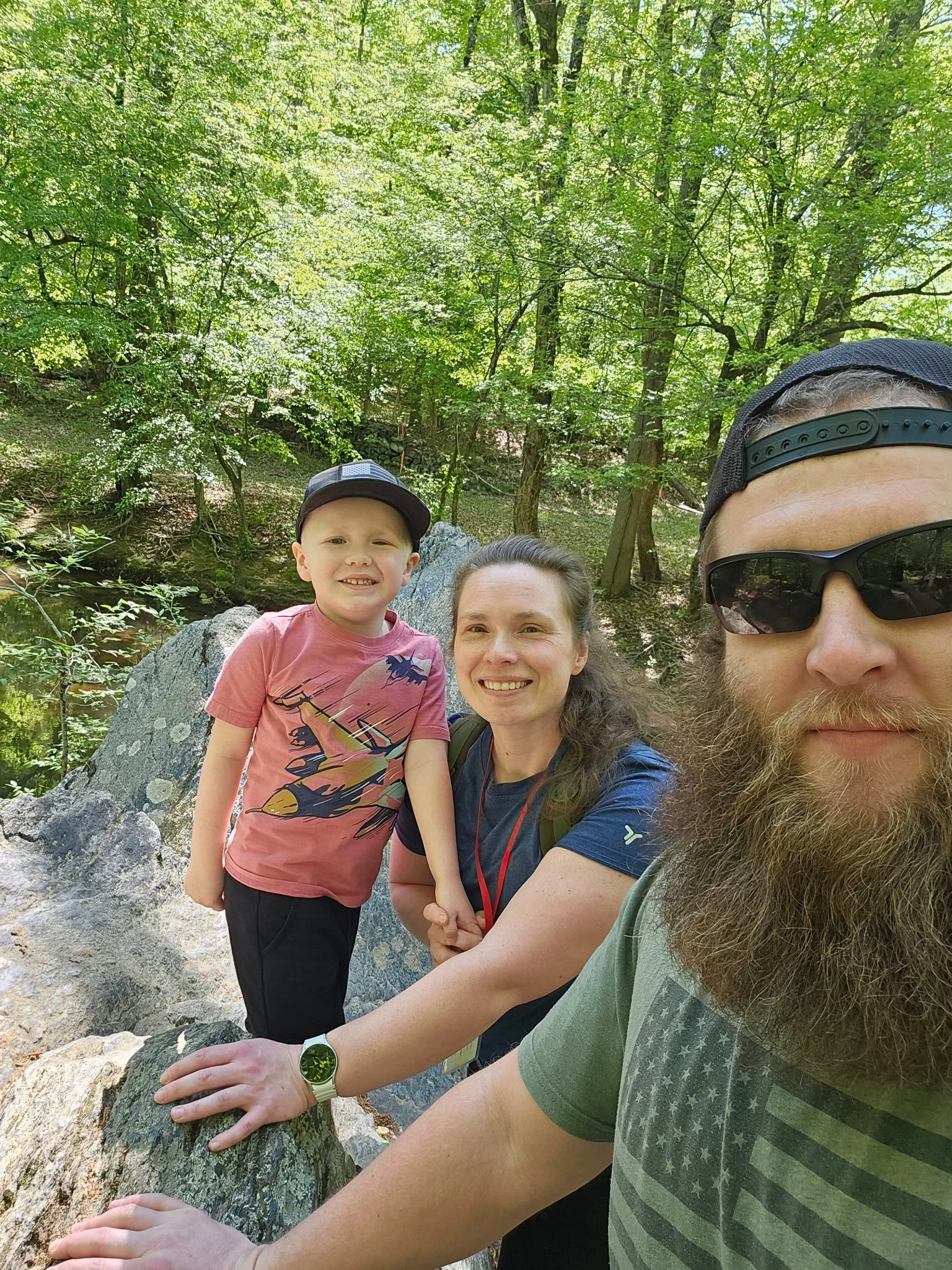

When your child is diagnosed with cancer, the ground drops out from under you. One day you’re chasing them around the yard or reminding them to put their shoes on; the next, you’re googling medical terms, staring at lab results, and bracing yourself for conversations no parent ever wants to have.
That’s where Bryan and his family found themselves in August 2020, when his son Sylas, just two and a half years old, was diagnosed with B-cell Acute Lymphoblastic Leukemia (BL-ALL).
At first, the prognosis seemed like something to cling to. BL-ALL is considered one of the most treatable childhood cancers. But only a few months into treatment, Sylas relapsed, this time in his spinal fluid.
From there, their journey became a cycle of treatments, recoveries, and setbacks:
A CNS relapse that led to CAR-T immunotherapy.
A year and a half of remission before cancer showed up again, discovered during what was supposed to be a routine dermatology visit.
A bone marrow transplant that carried not just hope, but fears about complications and long-term side effects.
Now, at about 150 days post-transplant, Sylas is once again playful, active, and eating well. But every follow-up scan still carries the weight of what the family has endured.
Parenting Through Cancer
Bryan often describes the experience as “bittersweet.” When Sylas was first diagnosed, he was too young to fully express his pain, but also too young to remember some of the hardest days. As he’s grown, he can now say things like, “My stomach hurts,” which once helped doctors catch a kidney issue early. But it also means having to put something as heavy as cancer into words their young son can begin to grasp.
Even through treatment, they’ve tried to give Sylas as normal a childhood as possible. “We’re still raising him to be a functional adult,” Bryan says. “Cancer isn’t a free pass for bad habits.”
He thinks of life in “benchmarks”: diagnosis, first remission, relapse, new treatment, transplant. Each stage brings a different kind of fear. Each test comes with dread before, and relief after until the next one arrives.
The reality, Bryan admits, is harsher than most people want to imagine. Pediatric cancer isn’t just about fighting the disease. It’s about holding your child through long stretches of suffering, all while living with the constant possibility of loss.
Finding the InVINCEable Foundation
Bryan first learned about the InVINCEable Foundation through a hospital social worker. A phone call from Scott, the foundation’s founder, quickly turned into a connection that’s lasted for years.
“It wasn’t just a one-and-done thing,” Bryan says. “Scott calls. He checks in. He remembers the details. That’s rare.”
For Bryan and his family, the support has been both emotional and practical. Sometimes it means paying a bill so they can focus on Sylas instead of the stack of mail. Sometimes it’s starting a college savings plan as a reminder that there’s still a future to plan for. Sometimes it’s simply picking up the phone when a parent needs someone who gets it.
Always, it’s about making the load a little lighter so parents can take a breath, even for just a minute.
Why Community Matters
Not every cancer group resonates with Bryan. He’s careful about who Sylas spends time with, wanting him to see survivor stories and examples of people who’ve come out the other side. For Bryan, those stories are proof that life beyond cancer is possible, and that’s the kind of hope he wants surrounding his son.
That’s also why the InVINCEable Foundation stands out. It isn’t just about financial relief, it’s about creating a genuine community of people who will walk alongside you without needing everything explained.
Life Right Now
Sylas is still Sylas: part Pokémon trainer, part food critic, and all-around professional at keeping his parents on their toes. Those simple joys matter more than ever because they remind Bryan and his wife that, beneath the hospital stays and lab results, their son is still just a child who deserves to live fully.
What began as a friendship between Bryan and Scott, InVINCEable’s founder, has grown into something lasting, even extending to Bryan training with Scott’s son, Vince. It’s the kind of connection no one expects to find in the middle of a childhood cancer journey, but one that has brought encouragement, strength, and a reminder that they’re not walking this road alone.
Right now, the family is embracing the good days, meeting each scan with determination, and leaning on the people who lift them up. It’s less about waiting for the next challenge and more about celebrating each step forward.
Jayden’s Story

A few years ago, Jayden started experiencing memory loss. It affected his school work and resulted in him going from straight A's to failing every class. He was evaluated by a psychologist and was diagnosed ADHD. Several months after he was placed on medication to help improve his memory loss, his grades started coming back up. Shortly later, Jayden started vomiting randomly. I took him to see his pediatrician and we were told it was side effects from the prescription he was on for ADHD. As time went by, his symptoms increased and he started having balance problems and his ear started to hurt. I took him to the ER and was told he had an ear infection. I didn’t accept it because I knew it was more than that. They sent us home with some antibiotics. The next day he came home from school limping. It was then that I couldn’t listen to these doctors anymore, I went straight to his pediatrician and demanded for CT scans and blood work. The doctor was kind and provided me with orders for MRI and CT scan and I booked an appointment the next day at Texas Children's Hospital. November 8th, 2023 was the day our lives changed forever. Surgery was scheduled immediately because the tumors had already spread to his spine. The goal was to remove as much as they could in his brain and kill the rest with radiation and chemotherapy.
The day Jayden was diagnosed with Medulla Blastoma was the worst day of our lives. The terror and absolute loss of control that comes with a diagnosis is something I don’t wish on anyone. Trying to be your child’s advocate, understanding all the medical information, maintaining schedules for treatment, the sleepless nights in the hospital and at home , time away from my other kids. I almost thought I was going to end up in the psych ward because I was losing my mind. Being a widow with 4 kids and no family around is a nightmare. But thank God for my church family who stood by us through it all. And God who never left our side and made a tough journey easy for us. Jayden used to be a track star and he loved to play soccer. He is loved by his classmates and everyone around him. Now the treatments have come to an end and Jayden is looking forward to running again and playing soccer.
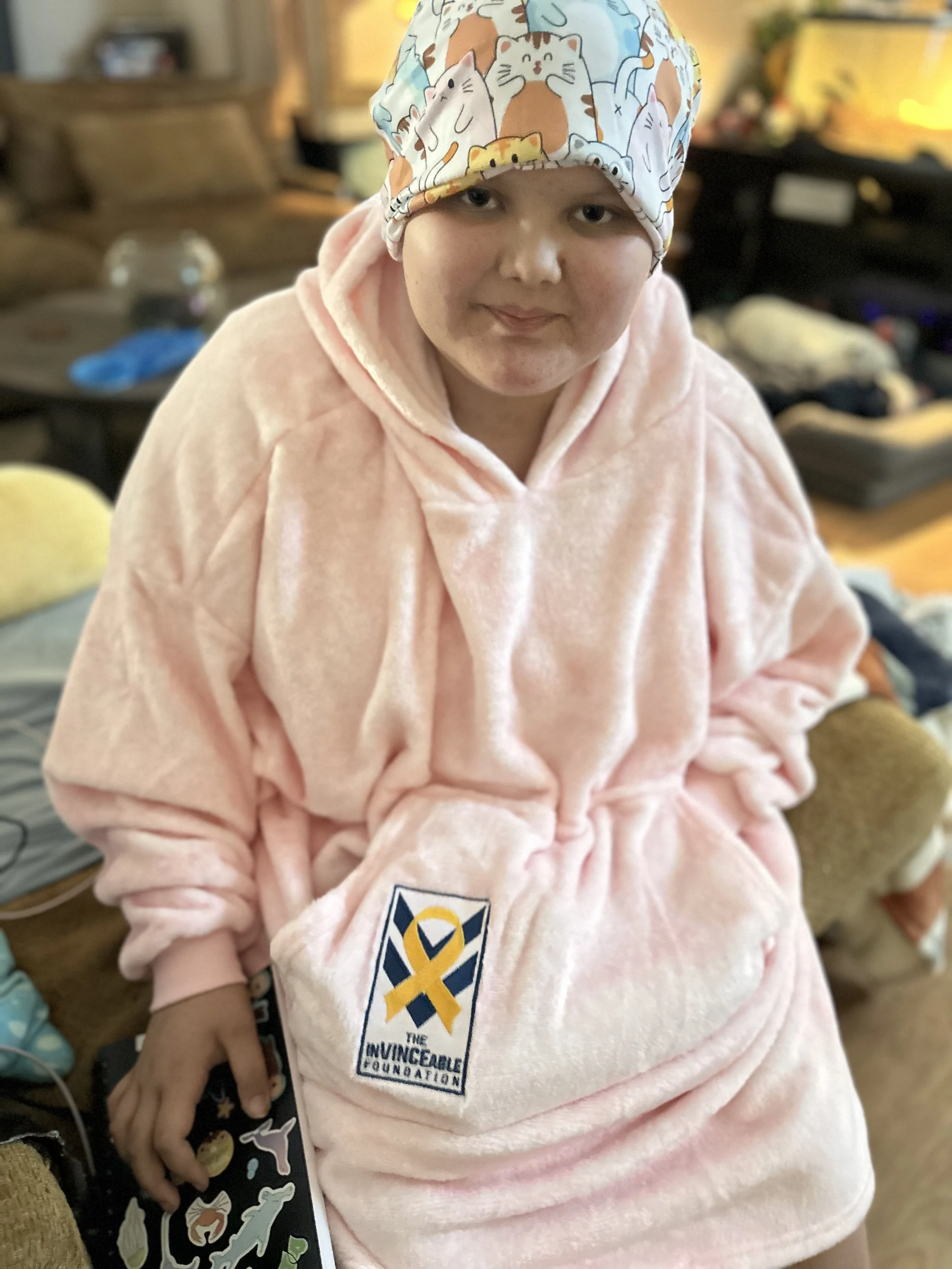
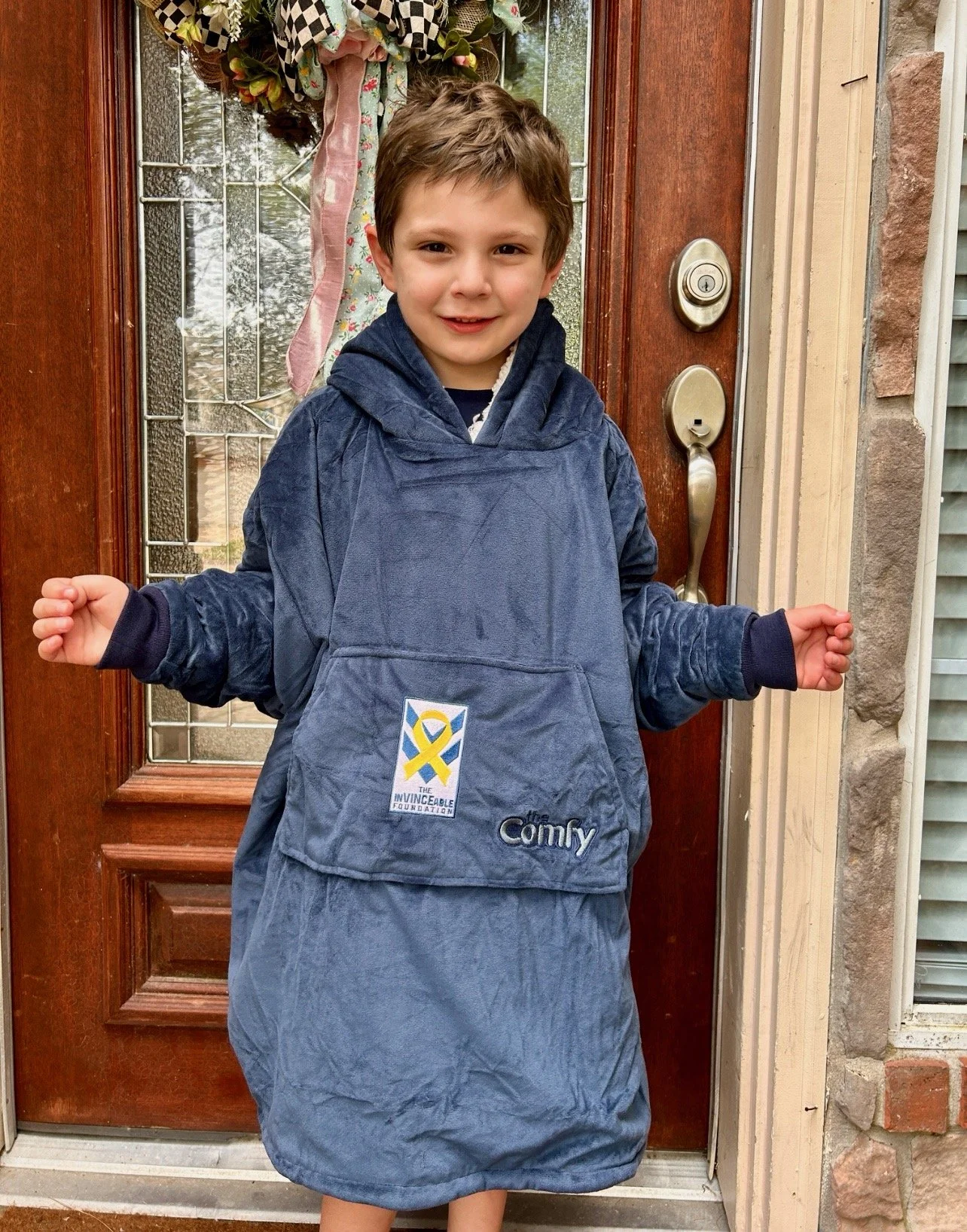
Wearing Their Strength, Inspiring Hope.

Find support here.
Want to nominate a family or ask for help?
We welcome both. Let’s start the conversation.